


10 New Countries Recognise Palestine during UNGA
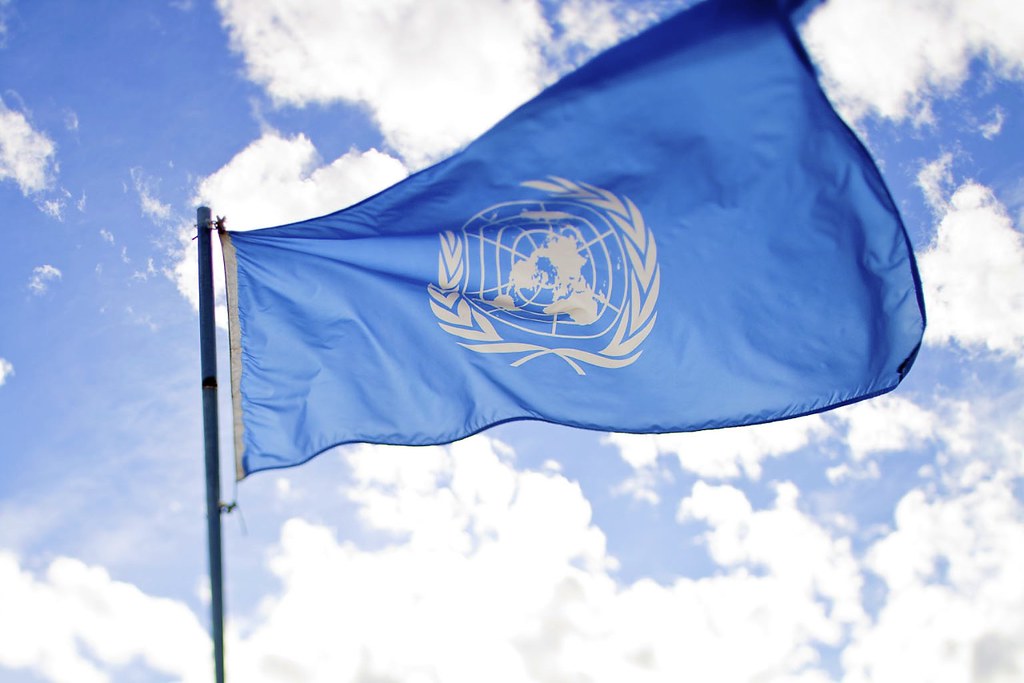
At the 80th session of the United Nations General Assembly in New York, a powerful wave of recognition reshaped the Palestinian question. In a matter of days, ten countries formally acknowledged Palestine as a sovereign state: the United Kingdom, Canada, Australia, Portugal, France, Andorra, Belgium, Luxembourg, Malta, and Monaco.
This coordinated shift marks one of the most significant moments in decades for Palestinian statehood. For years, recognition was largely confined to the Global South, the Arab League, and the Non-Aligned Movement. The new endorsements, coming from Western democracies and smaller European states that long resisted such a step, signal growing impatience with the deadlock in peace negotiations and the worsening humanitarian crisis.
A Last Resort
Several governments have made clear that their decision is not only symbolic but also a message of deep frustration. The United Kingdom, in particular, framed its recognition as a desperate last step—a response to Israel’s refusal to compromise diplomatically and its continued military campaign, described by critics as genocide against the Palestinian people. By recognising Palestine, London and other capitals sought to underline that diplomatic persuasion had failed and that the international community could no longer stand idle.
A Global Majority in Favor of Recognition
For decades, recognition of Palestine was concentrated among the Global South, the Arab League, and the Non-Aligned Movement. The latest wave is significant because it comes from Western democracies and small European states that had long withheld recognition, citing the need for progress through negotiations. This shift underscores a growing international consensus: the idea of Palestinian statehood has moved from aspiration to diplomatic reality.
Why Now?
The timing of these recognitions reflects deepening unease with the current trajectory of the conflict. With Gaza’s humanitarian emergency intensifying and Israeli settlement expansion continuing, governments in Europe and beyond have faced pressure from citizens, allies, and global institutions to act.
Recognition now serves multiple purposes. It is a gesture of solidarity with Palestinian aspirations for sovereignty. It is also a political rebuke to a stalled peace process, a signal that waiting for negotiations to deliver statehood has become untenable. For many, it is also a way of reasserting principles of international law and the right to self-determination in a period of escalating conflict.
What It Means for the Peace Process
These recognitions bring both opportunities and challenges.
They increase Palestine’s legitimacy in international forums, from the UN to the International Criminal Court. They heighten diplomatic pressure on Israel, as even traditional allies now question its approach. They also re-center the two-state solution as the dominant framework in global diplomacy.
At the same time, risks remain. Israel and its allies argue that such unilateral recognitions undermine direct negotiations, potentially deepening polarization. Recognition does not resolve disputes over borders, Jerusalem, refugees, or security. Nor does it bridge the political divide between Hamas in Gaza and the Palestinian Authority in the West Bank. Without active diplomacy and parallel measures to address these obstacles, recognition risks becoming a symbolic gesture rather than a transformative step.
The UNGA has shown that international recognition of Palestine is no longer a question of if, but of when and how. For Palestinians, these decisions mark progress toward sovereignty and justice. For Israel, they pose a challenge to its diplomatic strategy and international image. For the peace process, they are both an opportunity and a warning: the world still believes in two states, but its patience is running out.
As more nations align themselves with the principle of Palestinian statehood, the question now is whether recognition can help spark meaningful negotiations—or whether it will remain another missed opportunity in one of the world’s most intractable conflicts.

Share Your Perspective
Subscribe to Truthlytics today to stay informed and dive deeper into the issues that matter.
Already subscribed? Log in to join the conversation and share your thoughts in the comments below!