


Addressing Violence in Music: The Urgent Need for the Music Industry to Champion Peace and Denounce Hate
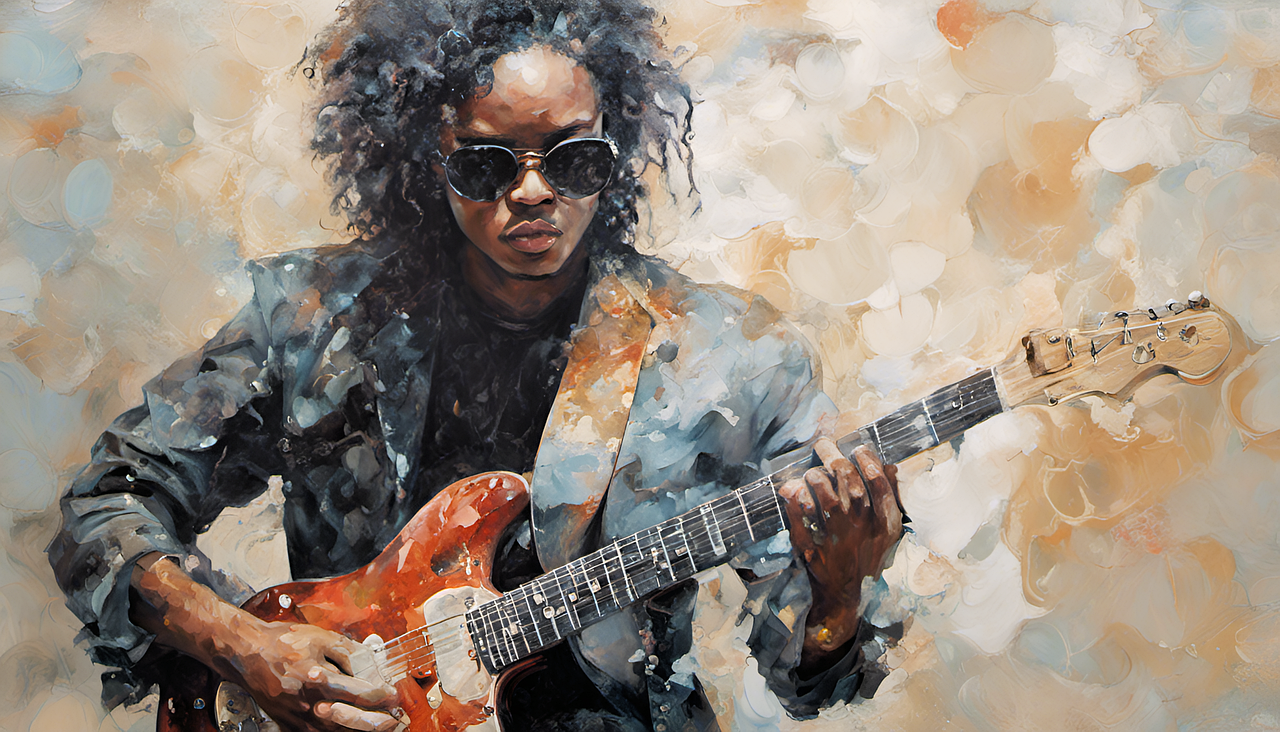
In a world where music transcends borders and cultures, it has the power to unite, inspire, and promote understanding. However, when music becomes a vehicle for spreading hate and inciting violence, it betrays its essence and the values it should uphold. A recent and alarming example of this is the song “Harbu Darbu” by Stilla X Ness, which has gained notoriety for its disturbing content.
“Harbu Darbu”: A Catalyst for Concern
Currently topping charts on Spotify and YouTube in Israel, “Harbu Darbu” has sparked outrage and concern due to its explicit call for the genocide of the Palestinian people and targeted death threats towards Bella Hadid, Dua Lipa, and Mia Khalifa. This song is not just an isolated case of artistic expression crossing the line; it is a symptom of a broader issue within the music industry, where boundaries between freedom of expression and hate speech become blurred.
The Impact of Violent Lyrics
Music with violent lyrics or messages can have far-reaching consequences. It not only reflects but can also amplify and validate aggressive sentiments within society. In regions like Israel, where societal tensions and historical conflicts run deep, such music can exacerbate divisions, fuel hostility, and undermine efforts towards peace and reconciliation.
The Music Industry’s Role in Peace Promotion
The music industry, encompassing artists, producers, labels, and distribution platforms, has a social and ethical responsibility to promote peace and denounce any form of racism and hate. While artistic freedom is vital, it should not be used as a shield for spreading messages that incite violence and discrimination. The industry must adopt a proactive stance, setting clear guidelines and taking decisive actions against content that crosses the line into hate speech.
Collaborative Efforts for Change
To effectively combat hate in music, a collaborative approach is needed. Artists, labels, streaming services, and regulatory bodies should work together to develop and enforce policies that discourage the production and distribution of harmful content. Educational initiatives that raise awareness about the impact of violent music are also crucial.
Conclusion: Music as a Force for Good
Music has the power to bridge divides and serve as a force for good. It’s time for the music industry to take a firm stand against content that fosters hate and violence. By championing peace and taking a public stance against racism and hate in music, the industry can contribute to a more harmonious and understanding world. The case of “Harbu Darbu” is a stark reminder of the road that still needs to be traveled, but with collective effort and ethical leadership, change is possible.

Share Your Perspective
Subscribe to Truthlytics today to stay informed and dive deeper into the issues that matter.
Already subscribed? Log in to join the conversation and share your thoughts in the comments below!