


Climate Change Drives ‘Climateflation’ Reshaping Global Diets and Food Prices
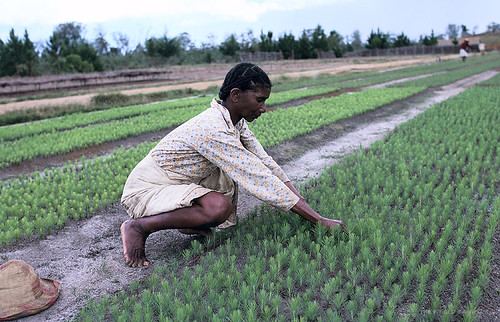
Extreme heat, droughts and floods are sending food prices soaring across the world, forcing millions to change what they eat and deepening the risk of hunger and malnutrition, economists and aid agencies warn.
The United Nations says global food prices, already volatile since the COVID-19 pandemic and Russia’s war in Ukraine, are being pushed higher by what experts now call “climateflation” inflation fueled by climate shocks that disrupt harvests, supply chains and local markets.
The UN has said, “The world has to recognize that food inflation is no longer just about markets or wars, it is about the climate itself.” Recent headlines confirm the growing urgency. The Guardian reports rising prices for staples like onions in India, chocolate from West Africa and olive oil in the Mediterranean, driven by extreme weather.
“Climate change is no longer a distant threat. It’s on our plates,” said Dr. Aditi Mukherjee, a lead author with the U.N.’s Intergovernmental Panel on Climate Change. “From staple crops to everyday items like coffee and onions, extreme weather is reshaping diets worldwide.”
Impact on Key Crops
A Barcelona Supercomputing Center study finds direct links between heatwaves, droughts, and food price surges in items such as onions, olive oil, rice and vegetables across Asia, Europe, and the U.S. with particular impact in emerging economies where households spend much more of their income on food.
In Japan, for instance, sea urchin bowls are now retailing for ¥15,000–18,000 (roughly $100–120), double earlier prices, following record-high waters and diminished catches.
In India, record heatwaves and erratic monsoon rains devastated onion and tomato crops this summer, sparking shortages and price spikes of more than 50% in some regions. The government responded by banning certain exports, further squeezing supplies abroad.
Across West Africa, cocoa harvests, which are the backbone of the global chocolate industry, are collapsing under rising temperatures and fungal diseases. Prices reached record highs this year, threatening the livelihoods of smallholder farmers and making chocolate more expensive in Europe and the United States.
Mediterranean countries, meanwhile, are seeing olive oil production plummet after years of drought. Spain, the world’s largest exporter, reported its second poor harvest in a row, pushing wholesale prices to more than double their five-year average.
Scientific modeling underscores the long-term risk: climate-related weather shocks could raise food costs by 1.5 to 1.8 percentage points annually over the next decade and even higher in already hot regions, amounting to broader inflation.
The Human Cost
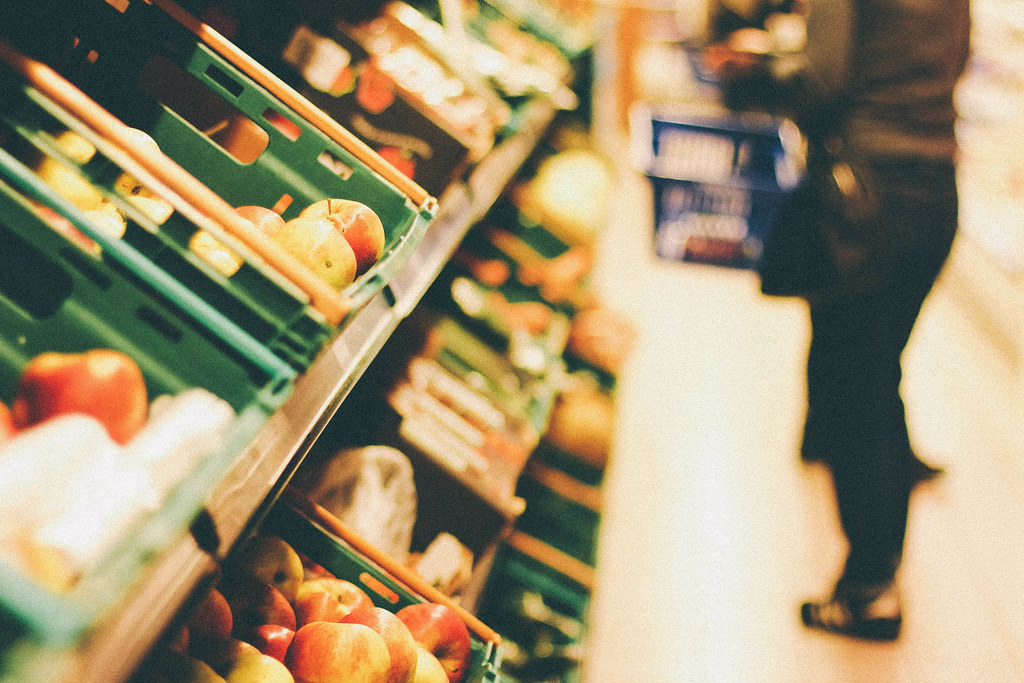
The effects are more than economic. The Guardian analysis shows that inflation in perishables disproportionately hits low-income families, forcing substitutions of nutritious meals with cheaper, less healthy alternatives raising risks of malnutrition and long-term health conditions.
For wealthier households, climateflation means higher grocery bills. But for millions in poorer countries, it is forcing families to switch to cheaper, less nutritious foods. Aid groups warn of long-term health consequences.
“When onions cost more than meat, families stop buying vegetables,” said Mariam Diallo, a nutrition officer with Action Against Hunger in Senegal. “We are already seeing rising malnutrition, especially among children.”
The World Food Program estimates that nearly 345 million people face acute food insecurity in 2025, up from 135 million before the pandemic, with climate disasters now a leading driver.
Global Food Crisis
Conflict, economic shocks, climate extremes and displacement already drove around 295 million people across 53 countries into acute hunger in 2024, a sharp rise over 2023, according to the latest Global Report on Food Crises. The UN’s World Food Program similarly highlights that climate shocks remain a leading contributor to rising global hunger.
Political Fallout and Economic Instability
Analysts say the economic shock of food inflation can destabilize governments. Bread prices were a flashpoint during the Arab Spring protests more than a decade ago. Today, several countries, including Egypt and Pakistan, are struggling to manage food subsidies as climate shocks squeeze supplies.
“This isn’t just an economic issue, it’s a political time bomb,” said Jason Bordoff, director of Columbia University’s Center on Global Energy Policy. “When food prices spike, governments fall.”
Rethinking Policy and Agricultural Innovation
Experts warn that traditional inflation tools like rate hikes are ineffective against supply driven shocks. What’s needed instead are unconventional policies including price caps, buffer stocks, and robust investment in climate-resilient agriculture. Adaptation is critical. Farmers are experimenting with drought-resistant crops, irrigation systems and new planting calendars. But funding is uneven, with most climate adaptation resources concentrated in wealthier nations.
Global negotiators are also debating how to address climate-linked food insecurity at U.N. climate talks later this year, though progress has been slow.
“Without urgent investment in climate resilient agriculture, climateflation will continue to erode food security,” said Mukherjee.
A New Normal
From onions in Mumbai to chocolate in Paris and olive oil in Athens, the effects of climateflation are already reshaping what ends up on dinner tables.
“The world has to recognize that food inflation is no longer just about markets or wars,” said Diallo. “It is about the climate itself.”
As climateflation becomes the new normal, the question isn’t just how we’ll adapt but whether we’ll act fast enough to protect the most vulnerable. Governments, aid agencies, and consumers must recognize that climate resilient agriculture isn’t a luxury, it’s a necessity.

Share Your Perspective
Subscribe to Truthlytics today to stay informed and dive deeper into the issues that matter.
Already subscribed? Log in to join the conversation and share your thoughts in the comments below!