


Lobbying in Democracies – A Threat to Majority Rule?
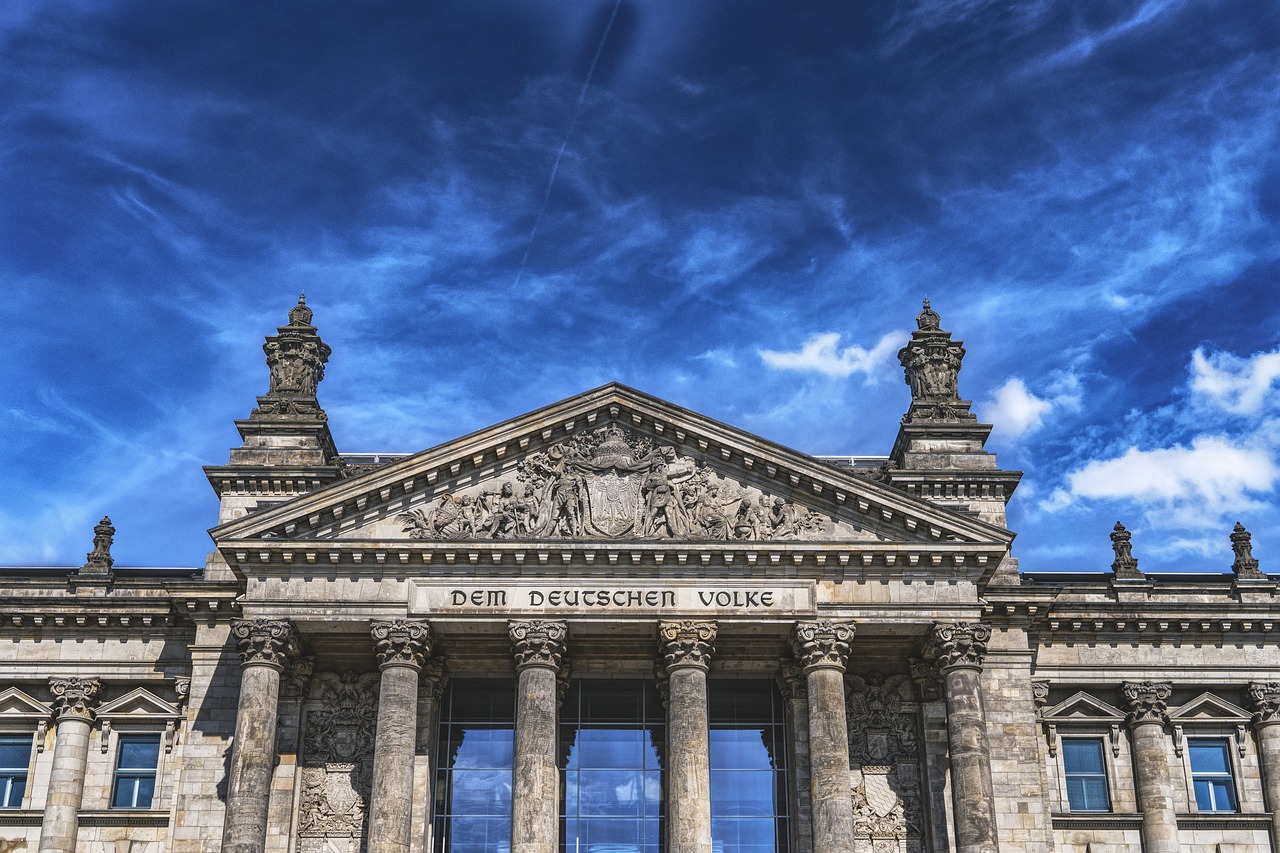
The very core of democracy rests on the principle that citizens, regardless of their socioeconomic status, have equal influence on the political decisions that shape their lives. Yet, in many modern democracies, the practice of lobbying—especially when it involves significant monetary transactions—challenges this foundational concept. If a wealthy minority can directly influence policymakers through financial means, does the essence of democracy, the rule of the majority, still hold true?
The Nature of Lobbying
At its core, lobbying is a method of advocacy with the aim of influencing decisions made by legislators and officials in the government. Not all lobbying is harmful; in many cases, it offers policymakers valuable insights and perspectives that might otherwise be overlooked. Advocacy groups for human rights, environmental causes, or social justice, for example, play a crucial role in giving voice to significant issues.
The Problem with Paid Influence
However, when lobbying is combined with significant monetary contributions, the picture becomes murkier. In democracies where lobbying with substantial financial backing is legal, there’s potential for certain voices to be amplified above others. Essentially, if policy can be ‘bought’, then those with deeper pockets invariably have a louder voice.
Wealth vs. Majority: The Imbalance
Research has shown that in nations with robust lobbying industries, policies tend to lean in favor of the wealthy minority. When financial contributions influence policy decisions, the interests of the majority can easily be sidelined. The resultant policies might favor corporate interests over workers’ rights, prioritize industrial growth over environmental concerns, or emphasize tax breaks for the wealthy over social welfare programs.
The Counterargument: Regulation and Transparency
Proponents of legalized lobbying argue that it’s not the practice itself, but the lack of stringent regulations and transparency that’s problematic. They contend that with proper oversight, lobbying can be a tool for good, ensuring that a multitude of voices are heard in the policymaking process. By setting contribution limits, demanding full transparency about funds, and imposing stricter penalties for breaches, lobbying can potentially be balanced.
Conclusion: Rethinking Democratic Integrity
While lobbying, in essence, can offer valuable channels for advocacy, its coupling with significant financial contributions is a genuine concern for democratic integrity. For a democracy to remain truly viable, the voice of the majority must not be drowned out by the financial might of a minority. It’s crucial for democracies to continually assess and reform their lobbying regulations, ensuring that while diverse voices are heard, no single group can ‘buy’ undue influence over the collective good. The heart of the matter is ensuring that in a democracy, while every voice counts, no voice can simply outbid others.

Share Your Perspective
Subscribe to Truthlytics today to stay informed and dive deeper into the issues that matter.
Already subscribed? Log in to join the conversation and share your thoughts in the comments below!