


Federal Immigration Enforcement Shooting Sparks Protests in Minneapolis
A fatal shooting by federal immigration officers in Minneapolis has ignited renewed protests and sharpened alarm over the escalating use of force tied to U.S. immigration enforcement. The man was killed during an early-morning operation in a south Minneapolis neighborhood, part of a sweeping federal push that state leaders say is spiraling out of control.
Authorities have not released the man’s name. Federal officials say he was a 37-year-old Minneapolis resident and U.S. citizen, but no formal identification has been made public. The lack of transparency has only deepened anger in a city already on edge.
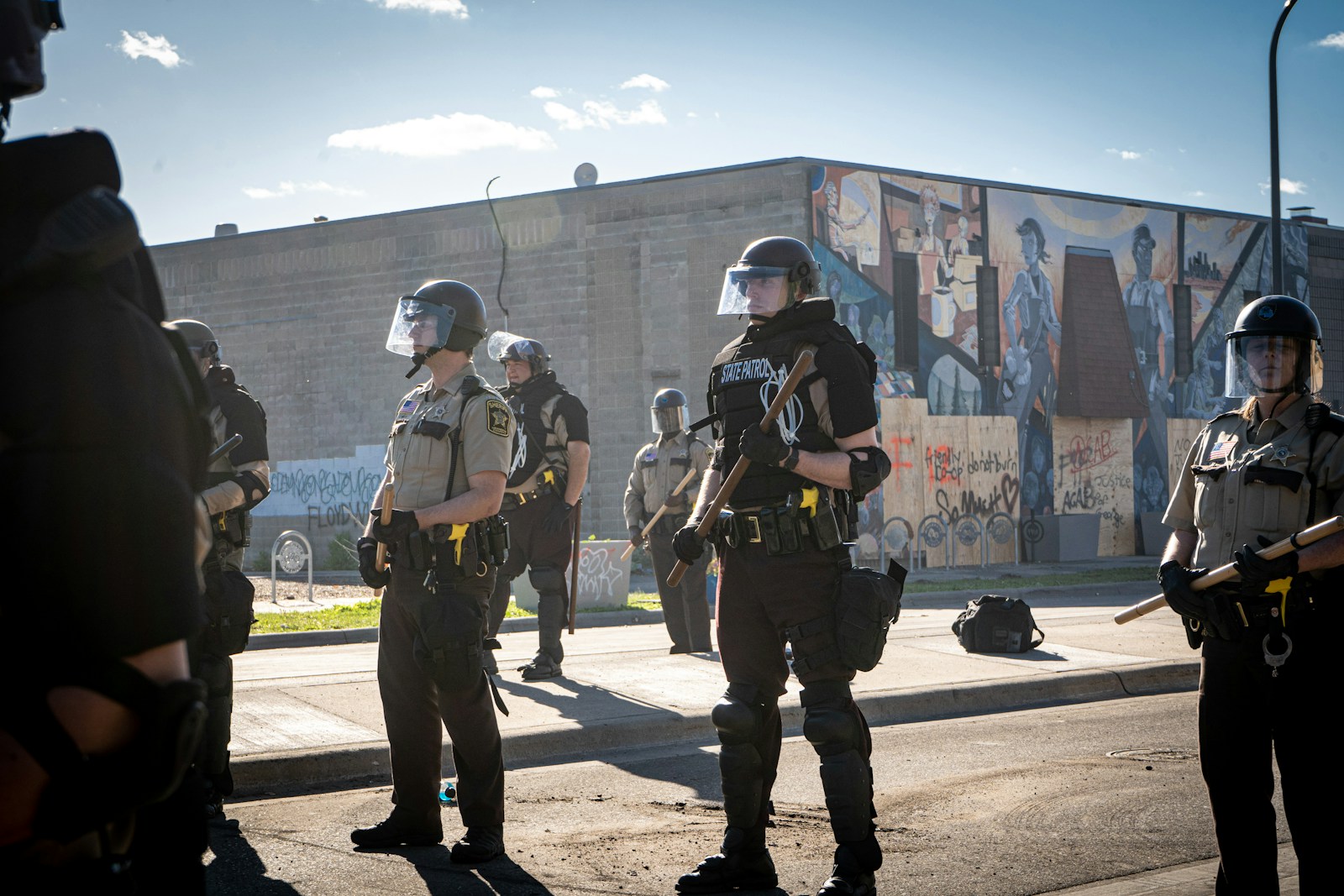
Witnesses described a chaotic scene as neighbors rushed outside to find streets flooded with federal vehicles and officers in tactical gear. Protesters gathered within hours, shouting at agents and demanding accountability. Videos circulating online show officers wrestling a person to the ground moments before gunfire, raising questions about the circumstances that led to lethal force.
This marks the third shooting involving federal agents in Minneapolis in less than three weeks. Earlier this month, another person was killed during a federal operation, followed days later by a separate incident in which a man was shot and wounded. Together, the shootings have turned immigration enforcement into a flashpoint, with residents and local officials warning that militarized raids are destabilizing communities rather than making them safer.
Minnesota Governor Tim Walz condemned the operation and called for it to stop, saying the state has reached a breaking point. Minneapolis leaders echoed that concern, arguing that aggressive ICE operations are eroding public trust and placing civilians at risk in residential neighborhoods.
Federal officials maintain that agents acted in self-defense and have released minimal information to justify the use of deadly force. Civil rights advocates counter that the pattern of shootings, coupled with limited disclosure, points to a systemic problem in how immigration enforcement is being carried out on U.S. soil.
As protests continue, Minneapolis once again finds itself confronting familiar questions about state power, policing, and accountability. For many residents, the unanswered question lingers just as heavily as the gunfire itself: how many more people will die before these operations are reined in.

