


Recommitting to Beijing: UNGA Women’s Summit Seeks Action 30 Years On
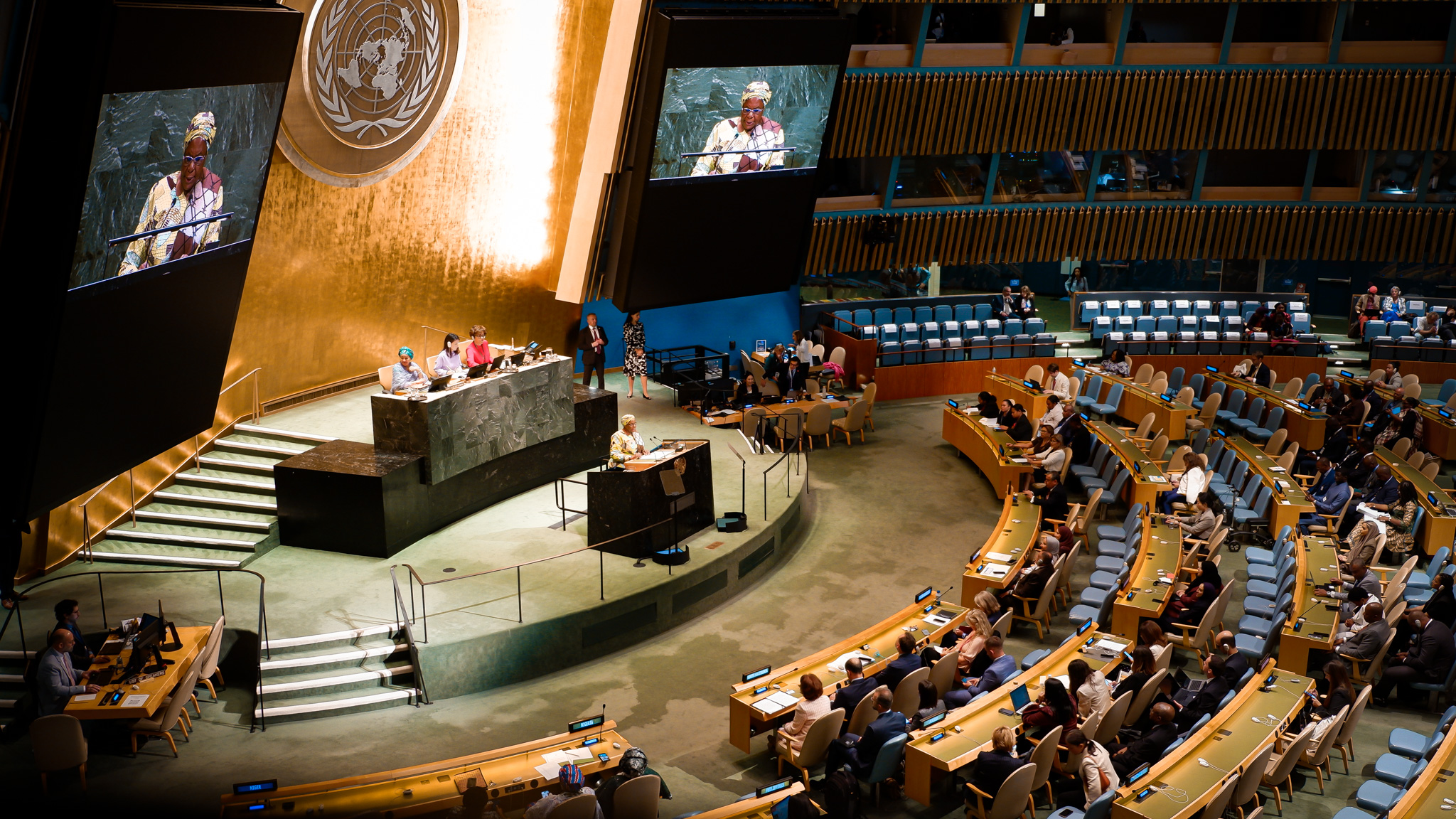
New York City- Today at the United Nations General Assembly, world leaders, activists, and civil society convened for a pivotal high-level meeting to mark the 30th anniversary of the Fourth World Conference on Women, renewing their commitment to the Beijing Declaration and Platform for Action (BPfA).
Under the theme “Recommitting to, resourcing and accelerating the implementation of the Beijing Declaration and Platform for Action”, the meeting aims to examine progress since 1995, confront setbacks, and propose concrete next steps – especially in an era marred by conflict, economic uncertainty, and political backlash against women’s rights.
What Beijing +30 means
The original 1995 Beijing Conference was a landmark: governments from around the world adopted policies on women’s equality, justice, access to education, healthcare, political participation, and an end to discrimination and violence.
Now, three decades later, many speakers acknowledged that while some gains have been achieved – such as increased representation of women in legislatures, expanded educational access, and better policies on maternity care – the progress has been uneven. Significant gaps remain, particularly for women living in conflict zones or under authoritarian rule, women with disabilities, indigenous women, and queer women.
Key Focal Points
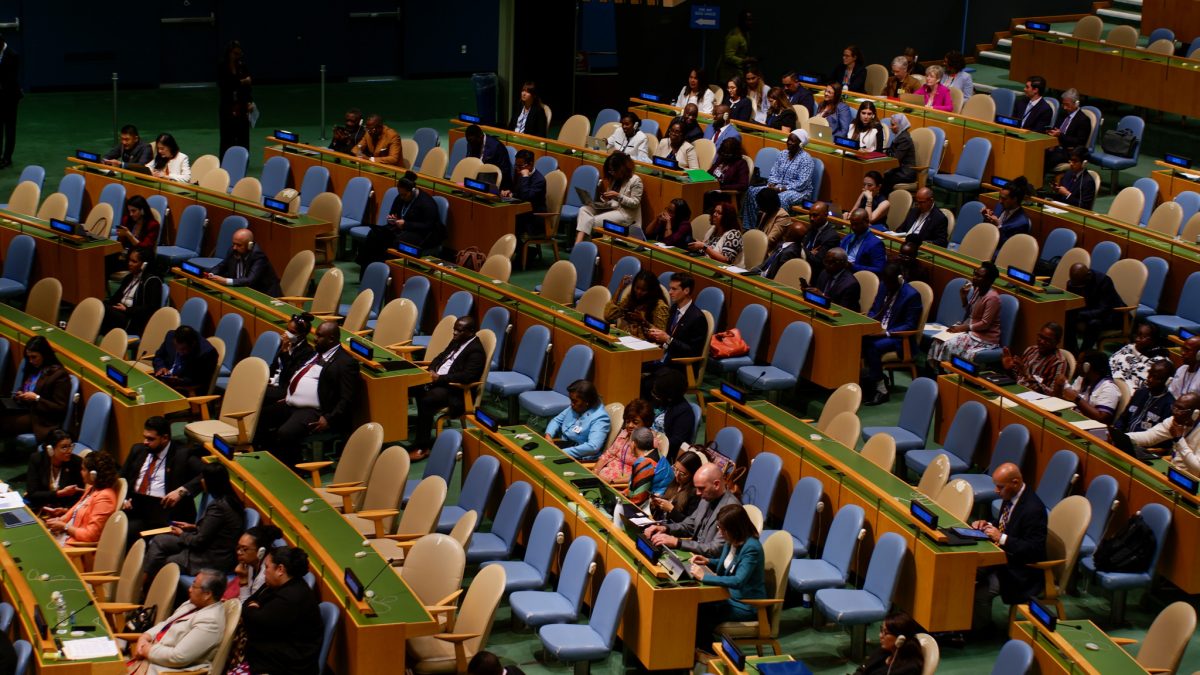
Some of the central issues up for discussion include:
- Funding and accountability: Governments are being pressed not just to recommit verbally, but to allocate real budgets and set measurable goals.
- Legislation and rights enforcement: In many places, laws for gender equality exist, but enforcement is weak. This includes issues of reproductive rights, bodily autonomy, protection from violence, and economic equity.
- Intersectionality and inclusion: Older frameworks did not adequately include women who face multiple layers of marginalization due to race, sexuality, class, disability, or displacement. These voices are demanding greater representation in decision – making today.
- Backlash and rollback: Several speakers are expected to address how rights won in prior decades are under threat – from reduced funding, political pushback, or legal restrictions.
Some countries are already showing what implementation looks like when political will meets policy. Namibia, for instance, has just sworn in its first female president, Netumbo Nandi-Ndaitwah. Women now occupy over half of her cabinet positions – around 57% – and the country’s top three leadership posts (President, Vice-President, and Speaker of the National Assembly) are all held by women. That balance makes Namibia one of the strongest models of gender representation globally, and a reminder that commitments made in Beijing can be achieved with deliberate action.
While countries like Namibia offer hope and clear examples of progress, others are sounding alarms over slow or reversed gains. In Ireland, despite stronger legal frameworks and advances in women’s health and childcare, critics warn that gender-based violence remains pervasive and women still carry disproportionate burdens of unpaid care. In Liechtenstein, although legislation has been strengthened and initiatives launched, women still remain underrepresented in local government, and societal norms continue to limit full participation. These cases show that having laws or plans isn’t enough – political will, social transformation, and consistent enforcement are just as essential.
The Challenges Ahead
Critics warn that some member states may resist binding commitments, especially on issues deemed controversial domestically (sexual rights, abortion, LGBTQ+ inclusion). There is concern that without enforcement mechanisms, Beijing +30 risks becoming another UN proclamation without teeth.
Moreover, civil society groups have pointed out that many national plans still rely on donor funding, and when donors shift priorities, implementation suffers. The “promise vs. delivery” gap remains wide.
Why This Moment Matters
For many advocates and journalists, Beijing +30 is more than a symbolic moment: it’s a chance to expose where international women’s rights promises are falling short – and to push for change anchored in lived reality. In a time when global crises – conflict, climate change, displacement- disproportionately affect women and girls, there is urgency: policies must translate into protections.
Here in the hallways of the UN, press booths buzzing with expectation, what unfolds today could shape funding decisions, set legislative agendas in new nations, and energize movements at local levels around the world.

Share Your Perspective
Subscribe to Truthlytics today to stay informed and dive deeper into the issues that matter.
Already subscribed? Log in to join the conversation and share your thoughts in the comments below!