


The Palestinian Fight for Freedom, the World’s Fight for Enlightenment

The rise of social media has profoundly reshaped the landscape of war and journalism for the general public. Previously, public perceptions of conflict were often molded by government-controlled narratives. Now, however, individuals have direct access to firsthand, unfiltered testimonies from those within war-torn areas. Shared openly with a global audience, these accounts challenge official narratives and increase demands for accountability within mainstream media. This shift mirrors the revolutionary impact of the Gutenberg Press, sparking a worldwide awakening on humanitarian, spiritual, and political levels.
While the Enlightenment was not without its growing pains, the rise of social media today faces its own set of challenges. The Counter-Enlightenment of the 18th and 19th centuries mirrors much of what we are witnessing today. The printing press facilitated an unprecedented influx of information into society, prompting resistance from established powers. Voltaire, in his Philosophical Dictionary, wrote, “Liberty of thought is the life of the soul.”
Advocates for “enlightenment,” such as the Romantic thinkers, emphasized individuality, nature, and universalism. In contrast, their opponents upheld religious secularism and nationalism, insisting that political discourse remain grounded in logic and reasoning, often at the expense of empathy. Critics viewed the Enlightenment as a threat to traditional power structures, challenging the divine right of kings and giving “peasants” access to knowledge and power. Jean-Jacques Rousseau famously declared in The Social Contract, “Man is born free, and everywhere he is in chains.”
The church and monarchy, threatened by the spread of knowledge, warned that the printing press could incite social upheaval. Montesquieu’s The Spirit of the Laws faced censorship for advocating the separation of powers—a principle threatening the centralized power of monarchies. Similarly, Voltaire’s Candide was banned for its satirical criticism of society and religion, reflecting the establishment’s fear of losing control over public opinion.
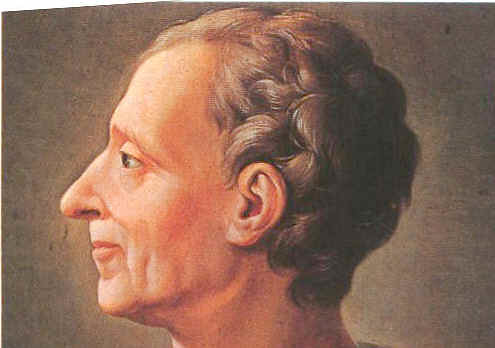
Enlightenment thinkers faced significant censorship and persecution, often targeted for their radical ideas. Rousseau was forced to flee France due to his political views, and his works were condemned. Voltaire endured intense censorship and imprisonment for his critiques of religion and the monarchy, famously stating, “I disapprove of what you say, but I will defend to the death your right to say it.” Other notable figures, such as Montesquieu and Denis Diderot, also faced significant backlash.
Today, advocates for truth and justice face similar challenges. With the rise of independent journalism and social media, modern-day activists encounter harsh criticism, ostracism, and gaslighting reminiscent of the Enlightenment. After October 7, 2023, many Palestinians turned to platforms like TikTok to share their lived experiences, drawing international attention to their plight. Alarmingly, the world began to witness what many describe as the initial steps of genocide. Palestinians were forced to evacuate with little notice, receiving leaflets dropped from the sky. Reports emerged of hospitals and schools being attacked, with Israeli officials claiming these were legitimate military targets. However, independent journalists documenting the aftermath, would highlight the absence of military presence in these institutions.
A New York Times article reported, “They threatened the [area] where we live, telling [us] to evacuate to Rafah. We don’t have any place to go.” Despite claims by Israeli officials that these locations housed military assets, the lack of evidence raised questions about the validity of these assertions, echoing historical instances where misinformation shaped public perception.
As in the Enlightenment era, Israel’s long-standing control over the narrative began to erode under the pressure of social media documentation. Journalists on the ground risk their safety to capture the realities of conflict, while content creators refuse to let the truth be silenced. Voltaire’s words resonate: “Liberty of thought is the life of the soul,” capturing the ethos of today’s independent journalists who strive to expose the harsh realities faced by those in conflict zones.
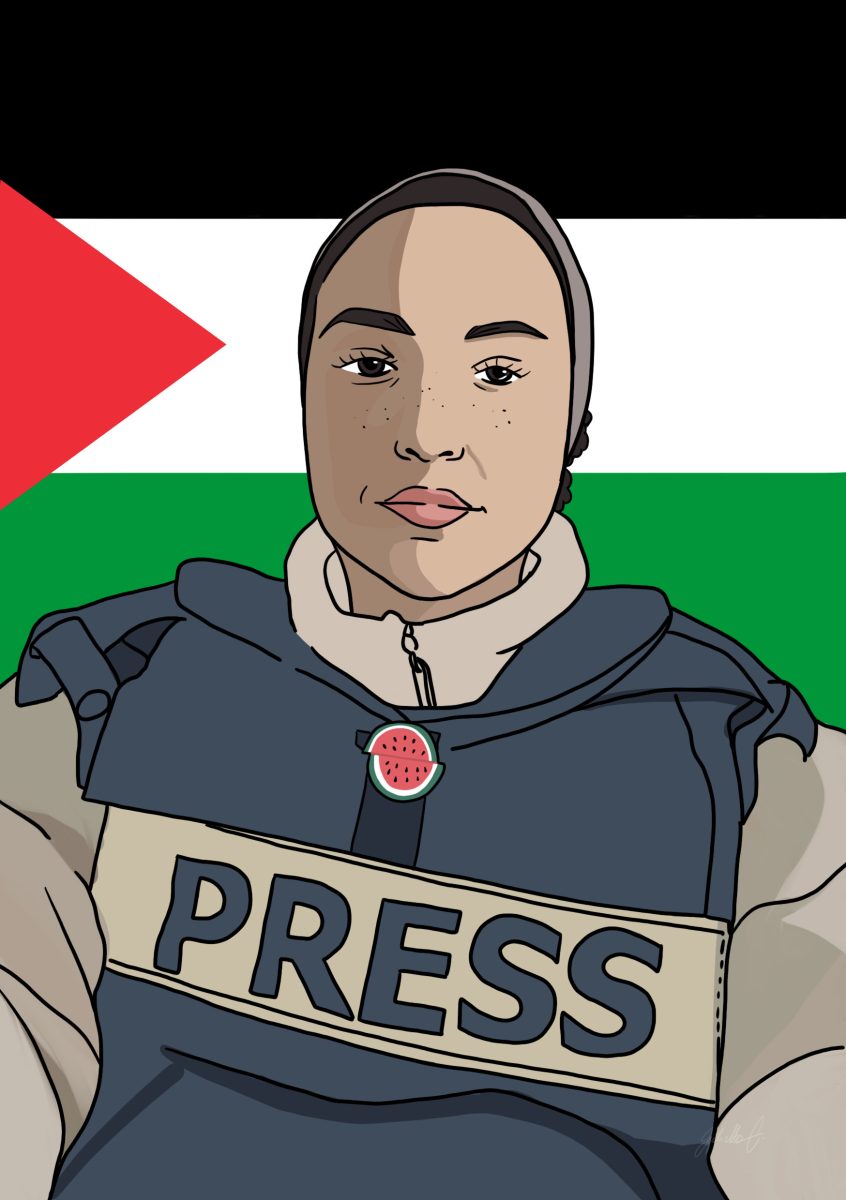
However, the oligarchy has never been one to passively accept the enlightenment of its people. Just as Enlightenment thinkers faced pushback, we are witnessing a similar reaction against independent voices today. The U.S. government has sought to ban TikTok or at least gain greater control over the flow of information. In December 2022, the U.S. House of Representatives passed a bill that could lead to a TikTok ban, reflecting concerns over national security while raising critical questions about free speech and access to information. Other countries throughout the world have also taken similar steps.
Religious leaders, including Pope Francis and over 40 other faith leaders, have drawn parallels between current events and moral obligations. In October 2024, they issued a joint statement calling for urgent action to address humanitarian crises worldwide, emphasizing the duty to promote peace and safeguard human dignity. This movement against social media and independent journalism echoes the historical suppression of dissent during the Enlightenment, as established powers sought to silence radical ideas that threatened their control.
Despite the pushback faced by Enlightenment thinkers, their movement catalyzed significant progress, bringing philosophy and political thought to the forefront. Concepts of human rights, religious tolerance, and secularism gained acceptance globally. The enduring legacy of these principles prompts a crucial question: who is truly on the right side of history?
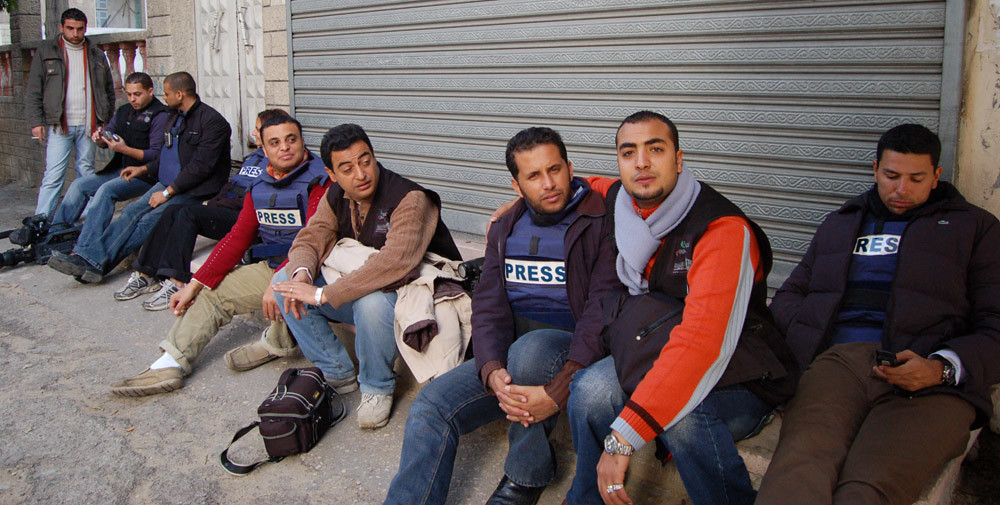
The struggle for freedom and truth is ongoing, transcending centuries. To all revolutionaries, journalists, and romantics: keep questioning the status quo and demanding better. The very rights individuals hold dear are rights they owe to the thinkers, doers, and enlightened minds of this world. Let us not forget that the fight for enlightenment is a collective journey, one that requires courage, resilience, and unwavering commitment to justice.

Share Your Perspective
Subscribe to Truthlytics today to stay informed and dive deeper into the issues that matter.
Already subscribed? Log in to join the conversation and share your thoughts in the comments below!