


The War Behind the War
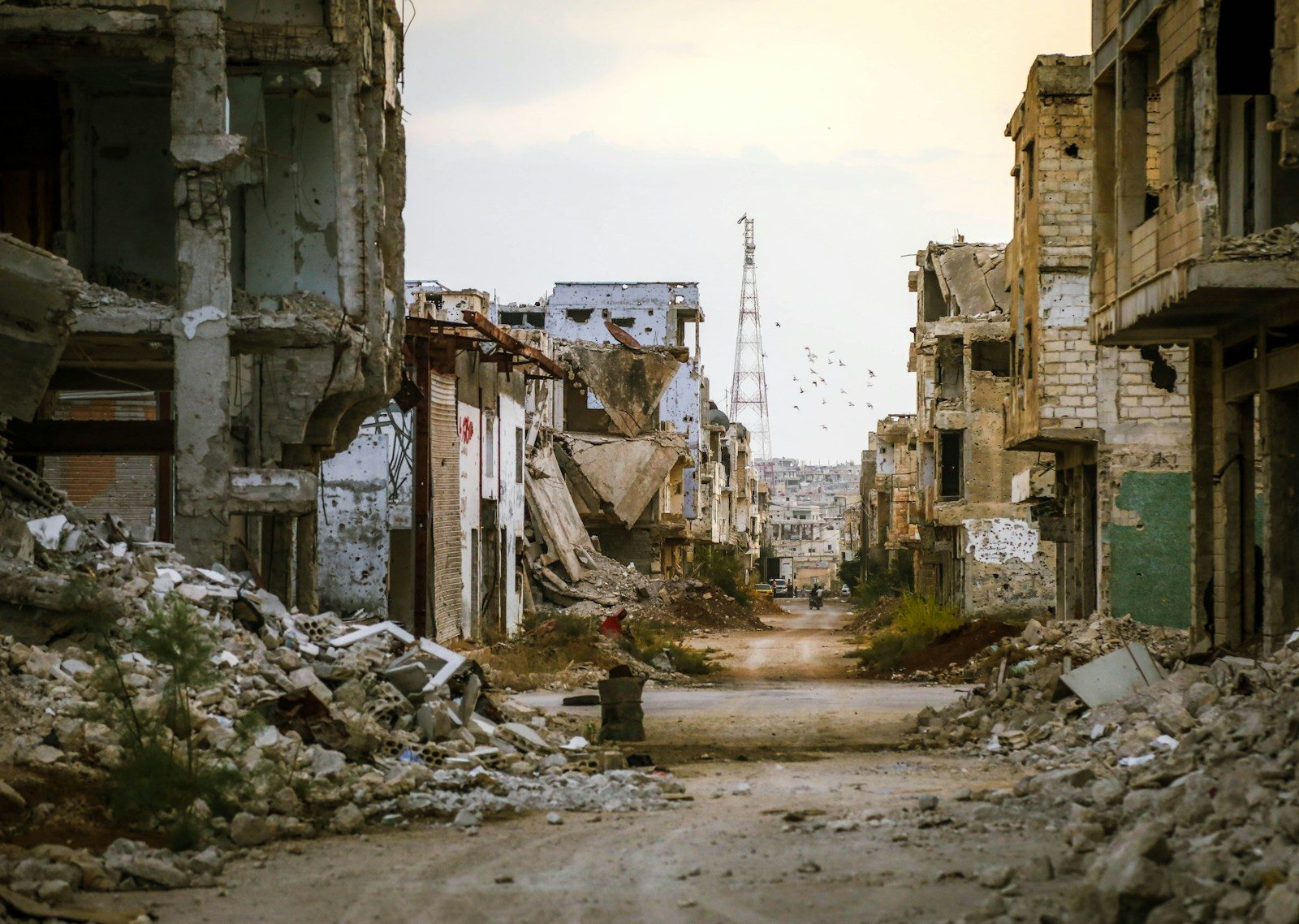
The Story Beneath the Headlines
There is a second war unfolding beneath the missiles and headlines in the Middle East. Most people will never see it because it does not arrive with dramatic footage or breaking-news graphics. It moves quietly. Through blocked shipping lanes. Empty aid warehouses. Fuel shortages. Closed clinics. Trucks that never arrive.
It is the war against survival itself.
While the world argues endlessly over geopolitics, retaliation, and military alliances, an entire humanitarian infrastructure is beginning to buckle under the weight of overlapping regional conflicts. The consequences are already spreading far beyond Gaza. Sudan is collapsing deeper into famine. Syrian families are slipping back into hunger after years of fragile recovery. Aid routes across the Gulf are becoming more dangerous and expensive by the week. The systems designed to keep civilians alive during war are themselves becoming casualties of war.
And almost nobody is talking about it.
Sudan: The Largest Crisis Nobody Sees
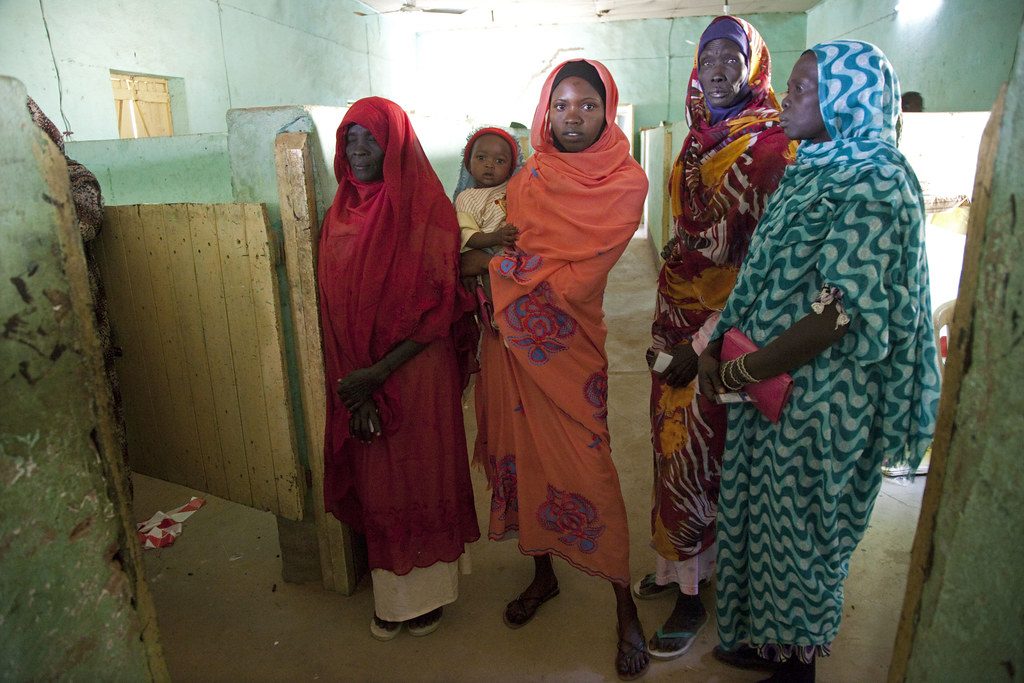
In Sudan, now entering another devastating year of civil war, the numbers are almost impossible to comprehend. Millions displaced. Tens of thousands dead. Entire regions cut off from aid. The United Nations has repeatedly described it as the largest humanitarian crisis on Earth. Yet for most Western audiences, Sudan barely exists unless a particularly horrific massacre briefly punctures the algorithm.
That silence matters.
Because the crisis in Sudan is no longer isolated from the broader architecture of instability spreading across the Middle East. Humanitarian agencies are now warning that escalating regional warfare and volatility across the Gulf are choking off the supply chains needed to keep famine zones alive. The Strait of Hormuz, one of the world’s most critical shipping corridors, has become increasingly unstable. Insurance costs have surged. Fuel prices have climbed. Aid shipments that once moved efficiently through regional hubs now face delays, rerouting, and massive cost increases.
The result is brutally simple: less food, less medicine, less time.
Relief agencies already operating on catastrophic funding shortages are being forced into impossible calculations about which populations receive aid first and which are quietly left behind.
This is the part of war most people never see. Not the explosion itself, but the slow bureaucratic suffocation that follows it.
A child in Darfur does not need to understand maritime insurance premiums or Gulf airspace closures to feel their effects. The result still reaches her body eventually. The food ration shrinks. The antibiotics disappear. The water system fails.
Syria and the Era of Permanent Crisis
In Syria, the situation is beginning to mirror the early warning signs humanitarian workers have feared for years. After more than a decade of war, economic collapse, sanctions pressure, drought, and displacement, millions remain dependent on aid to survive. Now donor fatigue and shifting geopolitical priorities are accelerating another hunger crisis.
Aid officials warn that hundreds of thousands of Syrian children are at growing risk of severe malnutrition as foreign assistance contracts and food systems deteriorate further. The world has largely normalized Syria’s suffering into background noise. The deadliest phase of the war generated headlines. The long aftermath does not.
That pattern repeats across the region.
The spectacle of violence receives attention. The machinery of collapse does not.
Even Gaza, despite dominating global coverage, is often reported through the narrow frame of military escalation rather than systemic humanitarian destruction. The collapse of water systems. The targeting of medical infrastructure. The starvation pressures facing civilians. These realities have become so constant they risk blending into abstraction.
The Death of Witnesses
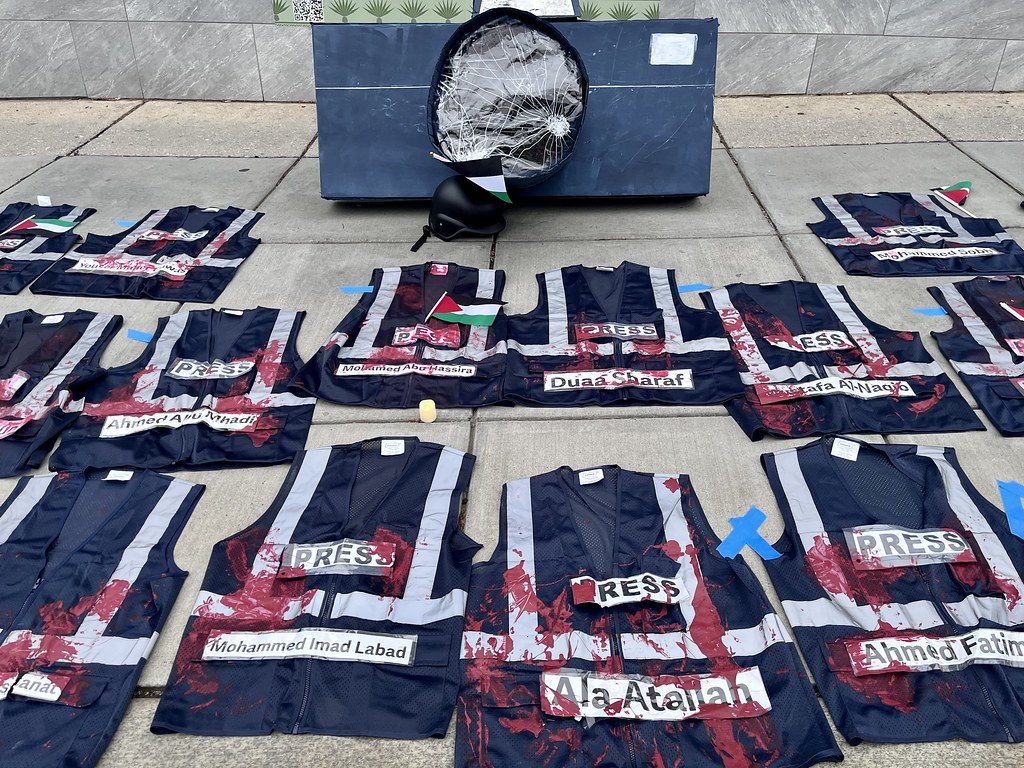
And journalists trying to document these realities are increasingly being killed.
The Office of the United Nations High Commissioner for Human Rights recently described Gaza as a “death trap for the media,” noting that hundreds of journalists have been killed since October 2023.
That number should stop the world cold.
Because when journalists die in large numbers, the informational vacuum that follows is rarely accidental. Humanitarian collapse thrives in darkness. Starvation hidden from cameras becomes politically survivable. Civilian suffering buried beneath military narratives becomes easier to dismiss, distort, or deny.
The suppression does not always look like traditional censorship. Sometimes it looks like exhaustion. Fragmentation. Information overload. A media ecosystem that rewards spectacle over sustained attention. Algorithms that push viewers toward outrage and then immediately onto the next catastrophe before accountability ever arrives.
Meanwhile, the people living inside these crises do not get to move on.
The Humanitarian System Is Breaking
There is another layer to this story that remains profoundly uncomfortable for governments and institutions alike: the humanitarian aid model itself is showing signs of structural failure.
The United Nations has already dramatically reduced global humanitarian funding appeals after donor contributions plunged. Aid groups across multiple regions are operating with skeleton crews and impossible mandates.
What happens when the institutions designed to stabilize collapse are themselves destabilized?
That question feels increasingly urgent.
Because this is no longer simply about one war. It is about cascading instability. A drought in Syria compounds war damage. Conflict in the Gulf disrupts aid to Sudan. Rising fuel prices drive up food insecurity across entire regions. Political polarization in the West reduces donor appetite. Humanitarian agencies cut rations. Families flee again.
Every fracture feeds the next.
And underneath all of it sits an uncomfortable reality many policymakers avoid saying aloud: modern warfare increasingly targets civilian endurance itself. Not merely armies. Not merely infrastructure. But the human capacity to continue existing under prolonged instability.
The destruction of hospitals. The collapse of water systems. The obstruction of aid routes. The targeting of journalists. The slow starvation of displaced populations. None of these are side effects anymore. They are features of twenty-first century conflict.
The People Still Holding the Line
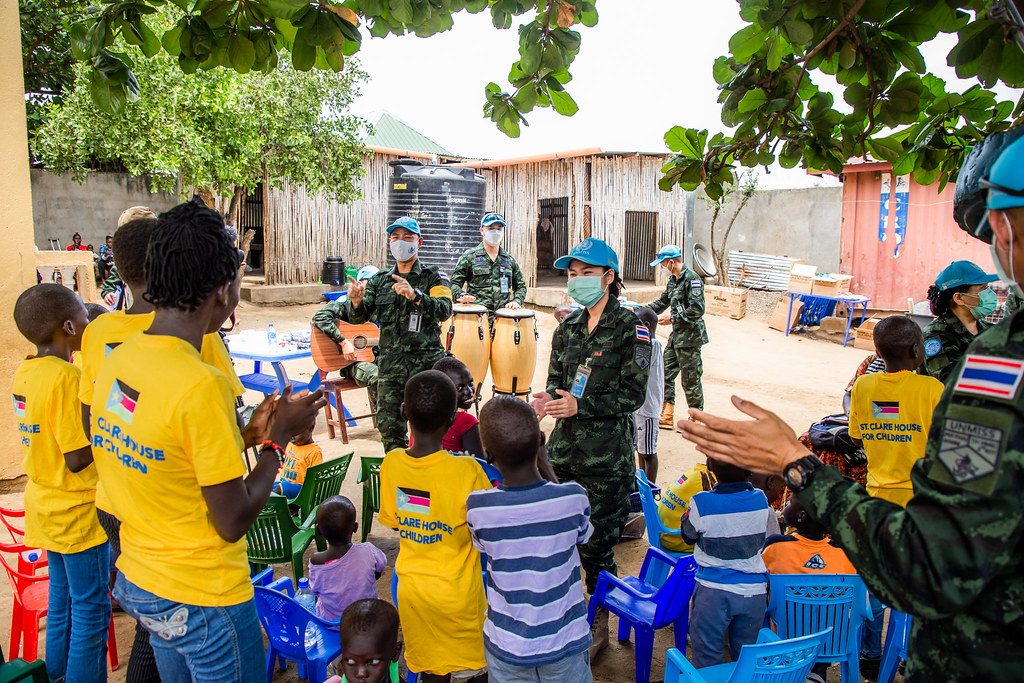
Yet even inside this collapse, there are still people building fragile forms of resistance against disappearance.
Local aid workers continue operating community kitchens in Sudan despite bombardment and funding shortages. Syrian mutual aid networks are still trying to feed displaced families years after international attention evaporated. Palestinian journalists continue documenting life inside Gaza even as many bury colleagues, friends, and relatives between assignments.
That persistence matters.
Because humanitarian systems may be faltering, but human beings are still trying to hold one another upright inside the ruins.
And perhaps that is the final thing the world is failing to understand. These crises are not distant tragedies unfolding in isolation. They are warnings about what happens when international systems lose the political will to protect civilian life consistently instead of selectively.
The Middle East is not simply experiencing war.
It is becoming the testing ground for how much human suffering the modern world can absorb while continuing to function normally.

Share Your Perspective
Subscribe to Truthlytics today to stay informed and dive deeper into the issues that matter.
Already subscribed? Log in to join the conversation and share your thoughts in the comments below!