


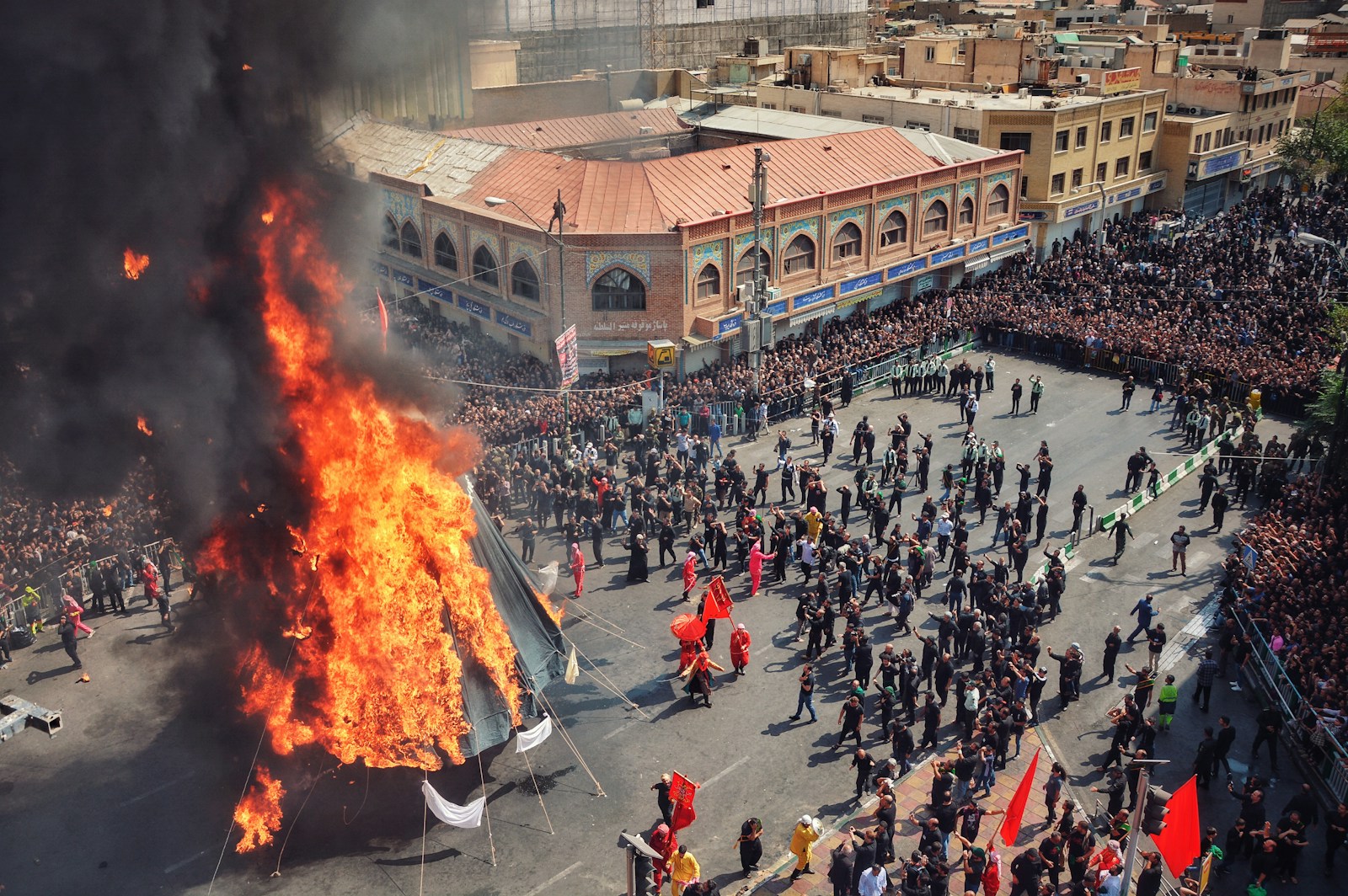
As the Islamic Republic of Iran faces one of the most brutal uprisings in its modern history, a wall of silence has descended. But behind that wall, global human rights organizations are illuminating a harrowing truth: state-led violence, mass detentions, and a sweeping suppression of free expression.
While official channels are tightly controlled, a coalition of independent watchdogs has emerged as the world’s most credible window into the Iranian crisis — documenting atrocities where the regime has sought to erase evidence.
A Nation in Revolt, a Regime in Denial
Beginning in late 2025 and intensifying into 2026, waves of protests — sparked by economic hardship, political repression, and a demand for democratic reform — have swept across Iran. In response, authorities unleashed a systematic campaign of lethal force, censorship, and judicial terror.
According to Amnesty International, security forces used live ammunition, tear gas, and beatings against peaceful demonstrators. The group has verified dozens of cases where protesters, including minors, were killed by gunfire aimed at the head or vital organs — consistent with a “shoot-to-kill” policy.
“These were not crowd control measures,” said Amnesty’s regional director. “They were executions in the street.”
Hospitals as Battlegrounds
The Center for Human Rights in Iran (CHRI) reports that medical personnel who treated injured protesters were arrested or threatened, while security agents patrolled hospital wards. Families of the wounded were interrogated or forced to sign false statements.
Firsthand testimonies collected by CHRI reveal that injured protestors feared seeking treatment, knowing hospitals had become surveillance zones. “We had to treat gunshot wounds at home,” one anonymous doctor reported.
The Internet Goes Dark
Amid the escalating violence, the Iranian government initiated a near-total internet shutdown, a tactic documented in real time by NetBlocks, Access Now, and the Internet Society. These organizations tracked a deliberate and coordinated blackout that severed mobile and fixed-line communications across multiple provinces — an act intended to blind both domestic and global observers.
“The blackout is not a security measure,” noted Access Now. “It’s a cover for human rights crimes.”
The Price of Truth: Journalists and Protesters Disappear
Reporters Without Borders (RSF) has condemned the arrests of at least 45 journalists since December, with many held in undisclosed locations or subjected to solitary confinement. Iran remains one of the world’s leading jailers of journalists.
Meanwhile, Human Rights Watch (HRW) has documented mass arrests of protesters and bystanders alike, often under vague national security charges. In detention, reports of torture, rape, and forced confessions have surfaced.
One HRW report detailed how dozens of bodies were returned to families with instructions to conduct silent funerals, under threat of further violence.
The Death Toll: Official Denials, International Alarm
While Iranian officials continue to downplay the extent of the crackdown, internal health figures leaked to watchdogs suggest a death toll well into the thousands. The International Federation for Human Rights (FIDH) estimates that more than 8,000 people have been killed or disappeared since October 2025.
The United Nations Office of the High Commissioner for Human Rights (OHCHR) has issued multiple condemnations and called for a “transparent and independent international investigation into the use of deadly force against civilians.”
Yet, with Iran refusing entry to UN observers or humanitarian missions, international accountability remains elusive.
Conclusion: Witnessing Through the Fog
In a crisis marked by deliberate obfuscation and terror, these seven non-profit organizations — Amnesty, HRW, CHRI, FIDH, RSF, OHCHR, and internet watchdogs — form a de facto truth commission. Their work pierces the fog of propaganda and blackout, ensuring the world bears witness to what Iran’s regime hoped to hide.

