


I’m starting a new series here called Letters from Muhammed.
Muhammed is a friend of mine. We started writing to each other during a hard stretch. He was sending me his words between blackouts, airstrikes, and funerals, still taking the time in the middle of all of it to ask how I was and wish me Shabbat shalom every Sabbath.
I have read his letters on days when bombs shook his own home, as he wrestled with how to keep his family safe. In the letters that followed, he continued caring for them while still giving away medicine to others who needed it.
Muhammed is in Palestine. He’s a senior instructor at a college there, and he also runs a small business. He has spent the last two years trying to keep people fed, medicated, and educated. He teaches in whatever rooms are still standing, holds exams for students who have lost their homes and families, and hands out whatever medicine he can find to whoever needs it.
He writes to me about what that looks like day to day. The rooms. The students. The choices he has to make as an instructor, pharmacist, and father.
I’ve read his worries about whether his children can get to school and the fears his children carry about survival. In every letter, he is caring for his students, his patients, his children, or the people around him.
With his permission, I’m sharing those letters here.
He is not writing for an audience. He is writing to a friend about what he is living through in real time.
I’ll only be using his first name. I’ve also changed a few identifying details, including the name of his college and the name of the student in this letter, to protect him and the people in his life. Everything else is his, in his own words.
Here is the first letter, as he sent it to me.
Tomorrow’s Exams Can Wait
Today, I received a message from one of my students, Lina.
She was supposed to sit for two exams tomorrow.
Instead, she wrote to me:
“My father was injured yesterday. His condition is very serious, and he is now in intensive care. I won’t be able to attend the exams.”
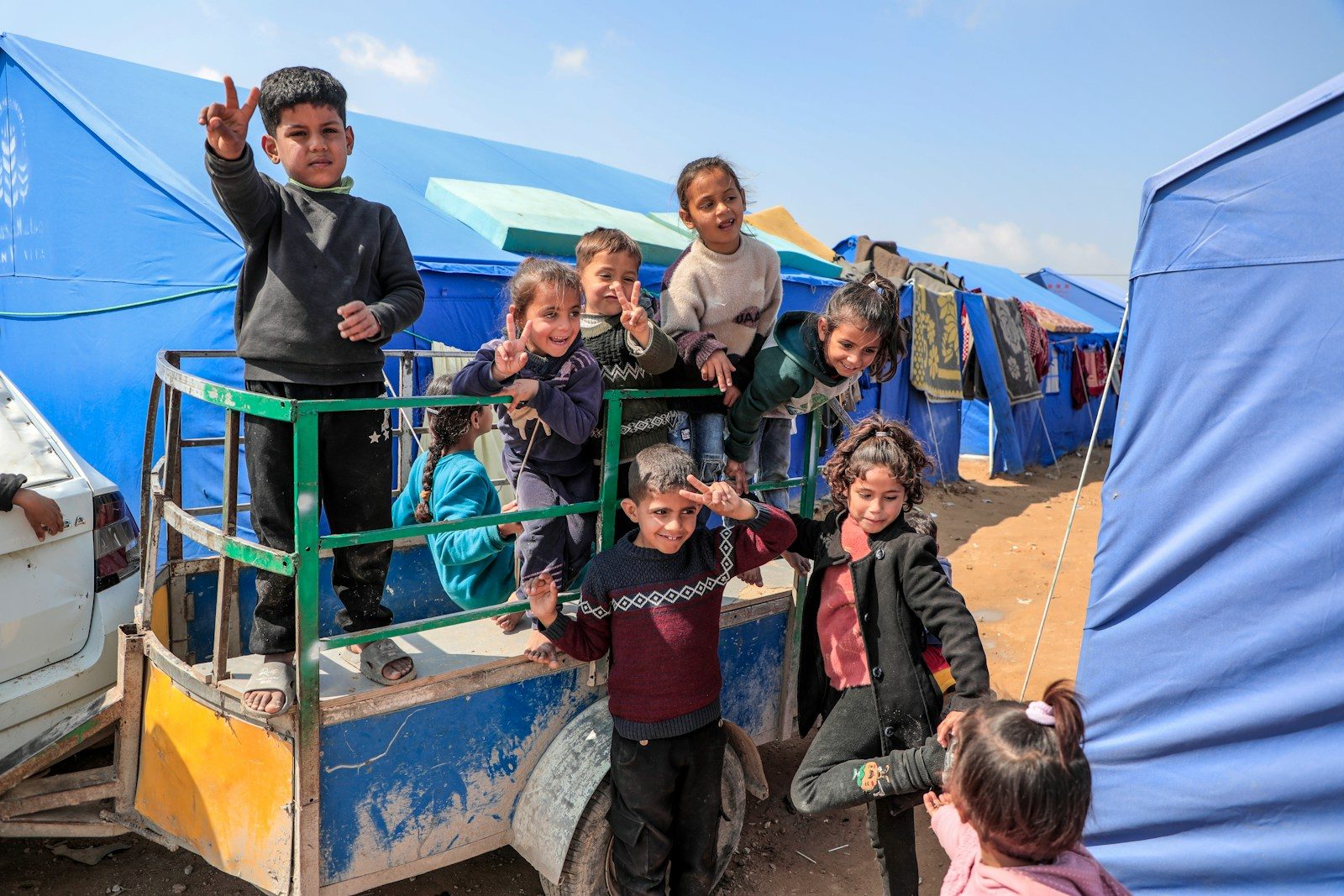
Her father was injured when tanks opened intense fire toward the tents where displaced families were sheltering.
I read her message more than once.
I am also a senior instructor at the college. The college where we once taught and trained students was destroyed during the war. We managed to restore a few rooms and bring them back to life because we believed that education should not disappear completely, even during war.
Our students have continued trying to learn despite displacement, fear, destruction, and the constant uncertainty of what tomorrow might bring.
But today, Lina is not thinking about exams.
She is thinking about her father lying in intensive care.
So I told her not to worry about the exams. We will take her circumstances into consideration, and she will have another opportunity to take them.
How could I ask a young woman to sit for an exam while her father is fighting for his life?
Sometimes, education during a war is not only about lessons, grades, or examinations.
Sometimes, it is about understanding.
Sometimes, it is about telling a student:
“Go be beside your father. Your exam can wait. Your place will still be here when you are ready.”
The war has destroyed buildings.
But we are trying, every day, to make sure it does not destroy our humanity, our education, or our hope.
Muhammed
More letters to come.

